
Find Any Fireplace You Need And Contact Valse Now
- Request A Quote Now
VALSe delivers premier, eco-friendly heating and architectural ambiance through advanced Bio-ethanol Fireplace Solutions. By eliminating smoke, soot, and structural chimney requirements, our fireplaces offer architects, designers, and homeowners a clean-burning, high-end alternative to traditional wood or gas units.
Whether you require a purely mechanical, low-maintenance unit or a state-of-the-art smart home automated system, VALSe provides highly engineered solutions tailored to modern spaces.
Manual Bio-Ethanol Fireplaces (Mechanical Ambiance)
Our manual series utilizes a high-grade absorbent wick system to draw liquid bio-ethanol from the fuel tank directly to the top combustion zone. Engineered completely without electronic components, it offers an incredibly reliable, zero-power, and maintenance-free solution for classic architectural layouts.
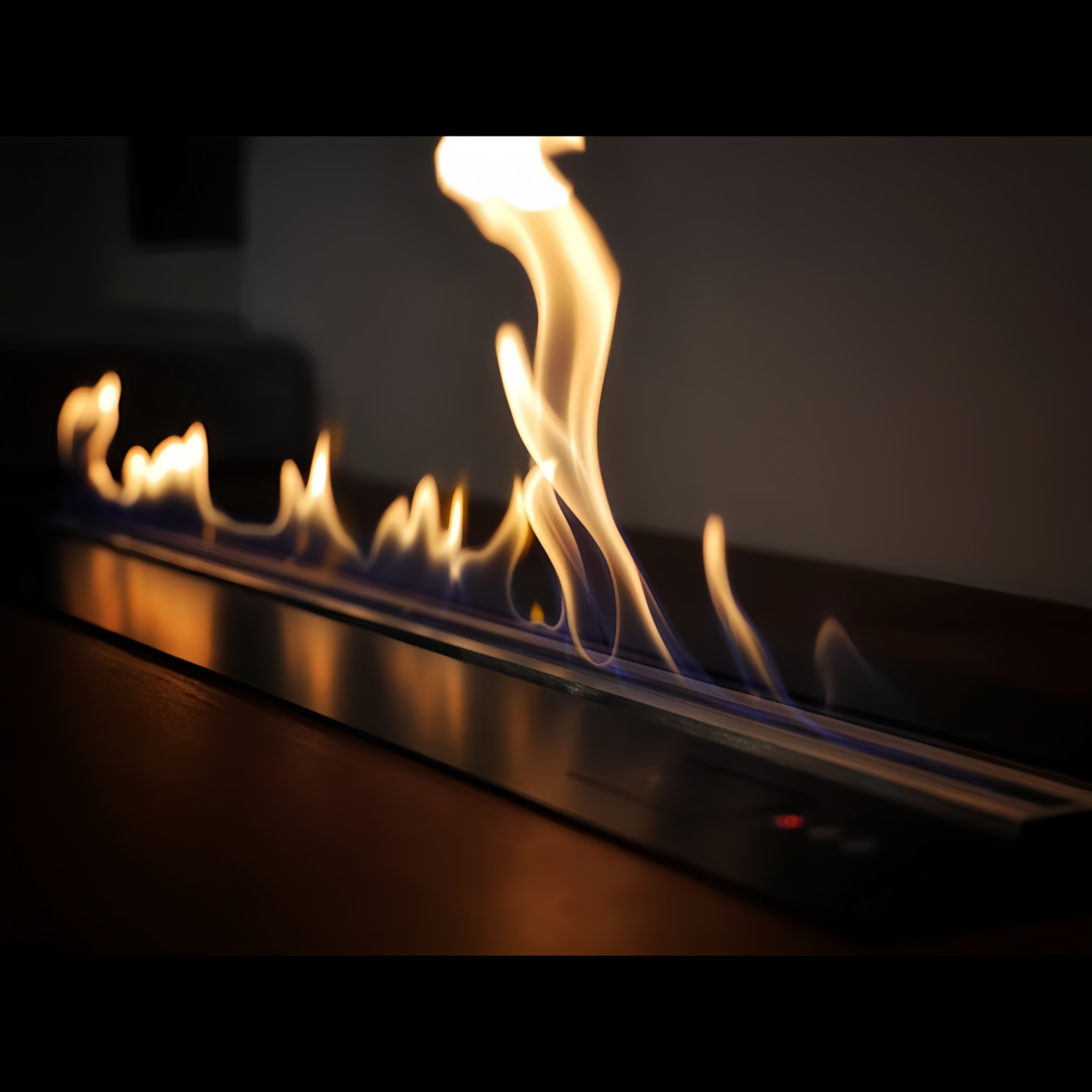
The flagship VALSe automatic series features an advanced split-structure design, separating the combustion tray from the main fuel reservoir. Liquid fuel is precisely metered and delivered to the burner via an internal micro-pump, or vaporized via targeted heating elements before ignition. Equipped with an array of smart sensors and electronic controls, this system maximizes safety, offers multi-device control, and adapts seamlessly to premium smart home ecosystems.
The VALSe Automatic Bio-Ethanol Fireplace separates fuel storage from the ignition point to guarantee safety and efficiency:
Isolated Storage: Liquid bio-ethanol remains safely inside a sealed, cool internal or external fuel reservoir.
Precise Delivery: Upon activation, a low-voltage 12V alcohol pump transfers liquid fuel or controlled vaporized alcohol gas directly onto the burning tray.
Automated Ignition: A high-energy ignition electrode sparks automatically, lighting the fuel cleanly.
Constant Monitoring: Throughout operation, a network of level probes, thermistors, and leak detection circuits scan the system. If any irregularity such as tilting, overheating, or a fuel leak is detected, the solenoid valves instantly isolate the fuel supply, extinguishing the flame immediately.
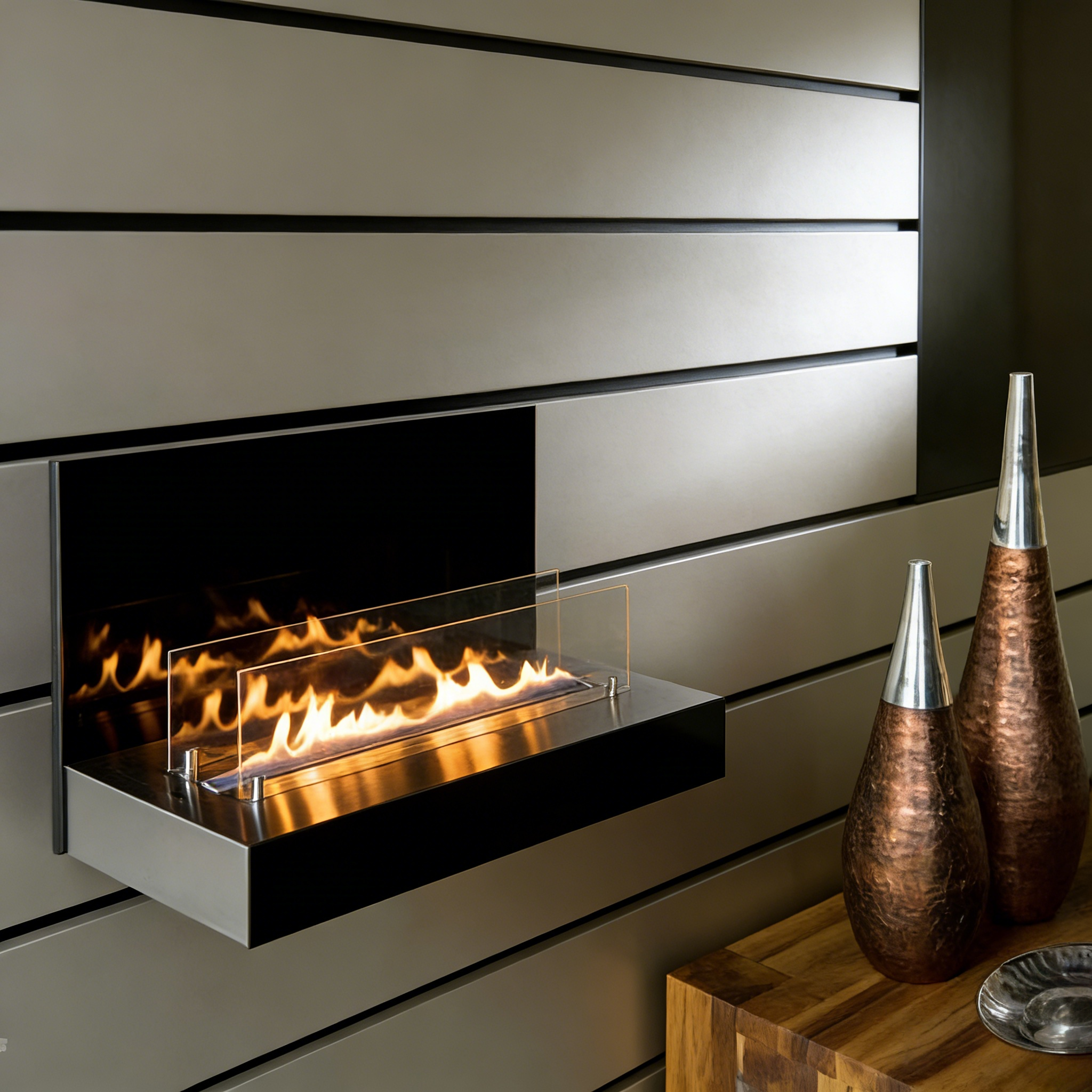
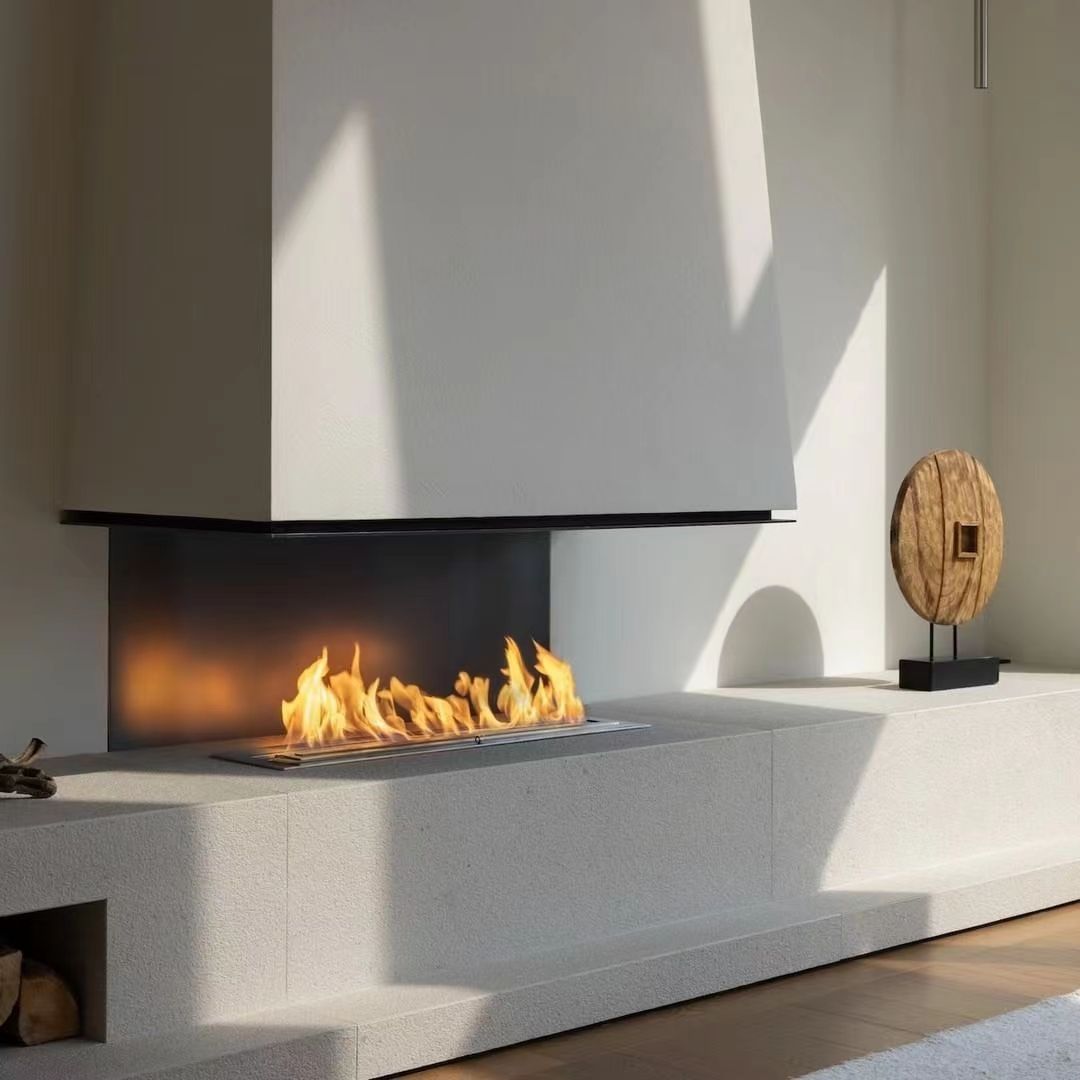
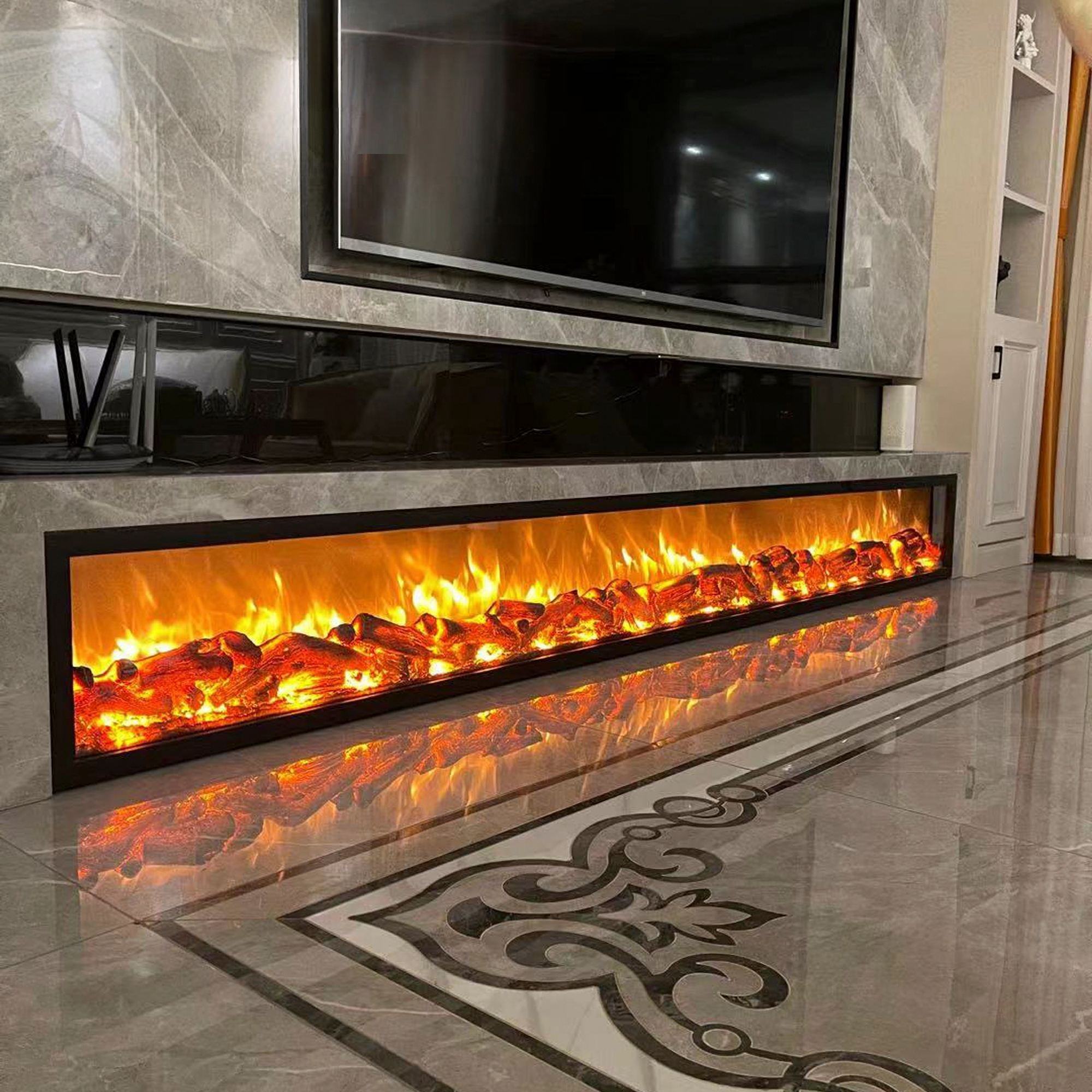
Built-In Fireplace Inserts: These standard architectural inserts fit into pre-cut structural wall openings or custom mantels. Offering unmatched design flexibility, they are the top choice for hotel lobbies, reception counters, upscale restaurants, executive lounges, bars, luxury apartments, and modern TV feature walls.
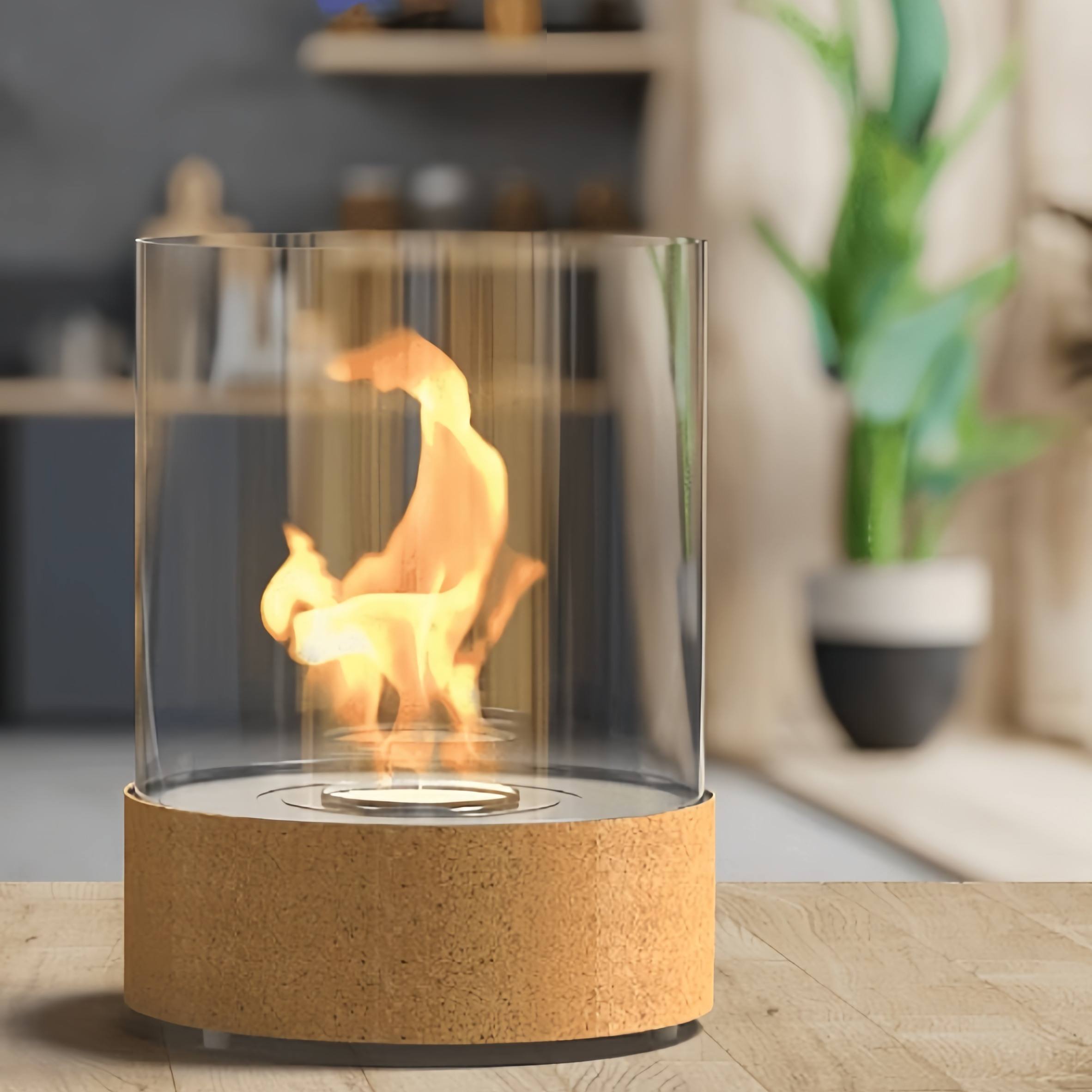
Freestanding Fireplaces: Requiring zero construction, cutouts, or permanent fixtures, these units offer plug-and-play flexibility. They can be freely placed on floors, dining tables, or storage credenzas to instantly elevate a room's mood.
Outdoor Waterproof Fireplaces: Specifically engineered for open-air environments. All internal electronic components are completely sealed with specialized waterproofing, and the chassis is optimized for weather resistance—perfect for courtyards, private patios, public parks, and outdoor resort scenic spots.
When sourcing bio-ethanol fireplaces for commercial or residential builds, keep these critical safety and material factors in mind:
Avoid Combined-Tank Automatic Units: Cheap automatic models store fuel directly underneath the open flame tray. This causes the bulk fuel reservoir to overheat, creating high vapor pressure and explosive risks. The VALSe Fix: Ensure the unit features a true split-structure design where fuel storage and burning zones are structurally isolated.
Verify Low-Voltage Safety Certification: Fireplaces operating directly on high AC mains voltage (110V/220V) inside a metal, liquid-filled chassis present severe shock hazards if a leak occurs. The VALSe Fix: Choose systems engineered for 12V low-voltage operation paired with isolated water and electric pathways.
Check for Active Leak & Tilt Sensors: Basic manual or low-end electronic burners will keep leaking fuel if they are accidentally bumped or improperly installed. The VALSe Fix: Look for units with active gyroscopic tilt protection and internal basepan leak sensors that cut power the second a fluid shift is detected.
Plan Around Ventilation vs. CO2 Accumulation: Because bio-ethanol consumes oxygen to produce heat, placing a large burner in a small, completely sealed room can degrade air quality. The VALSe Fix: Always evaluate the room's volume against the burner size, and strongly consider opting for an integrated CO2 detector module that alerts users when it is time to cycle fresh air.
What did our happy clients say?
Bought the Valse custom built-in automatic bio-ethanol insert for our luxury hotel lobby. The 12V split-structure design is incredibly safe. The dual-level flame adjustment looks spectacular on our feature wall!
Absolutely love this freestanding bio-ethanol fireplace from Valse! Set it right on our outdoor patio table. The waterproof electronic components survived heavy spring rain, and it creates the coziest vibe.
Best purchase for my studio apartment! The app control on this Valse automatic model works flawlessly. I love the built-in wood crackling sound; it makes the smoke-free flame feel so authentic on cold nights.
Exceptional quality from a reliable manufacturer. We linked Valse's smart burner to an external fuel tank for our restaurant bar. The CO2 detector safety feature gives us total peace of mind during busy hours.