
Find Any Fireplace You Need And Contact Valse Now
- Request A Quote Now
A freestanding fireplace offers versatility and convenience as a movable heating solution. Key features include self-contained construction with built-in legs or a stable base for floor placement. Functions typically include adjustable heat output, realistic flame effects, and multiple operating modes. Additional features may include programmable timers, remote control operation, and flame-only settings for year-round ambiance. Some models also offer smart connectivity, safety sensors such as overheat protection, and decorative media options like logs, crystals, or stones. Heat output generally ranges from 1.5kW to 3kW, providing supplemental warmth for small to medium-sized rooms. These fireplaces are available in electric, bioethanol, and wood-burning fuel types.
Wood-burning Freestanding Fireplace: Real firewood is combusted inside the firebox, with flue gas vented through dedicated ducts. It delivers strong heating output and authentic campfire ambiance.
Gas Freestanding Fireplace: Runs on gas fuel; waste gas is exhausted via flues. It provides efficient heating with genuine live flame.
Bioethanol Freestanding Fireplace: Features real open flame requiring minimal venting. It boasts superior visual appeal together with auxiliary heating capacity.
Water vapor Freestanding Fireplace: Creates simulated flame via LED lighting and water mist. Smokeless and pollution-free, it focuses primarily on ambient decoration.
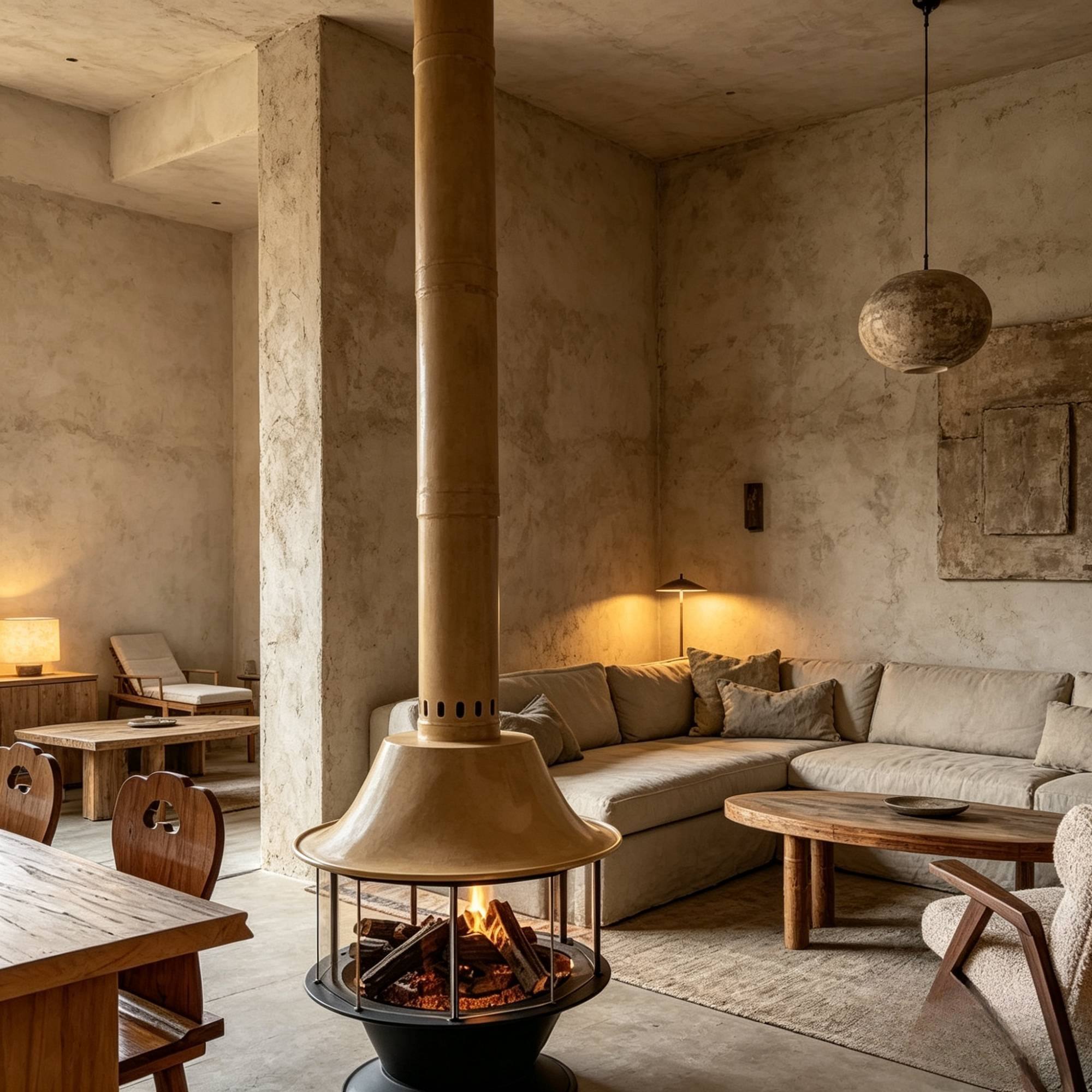
Flexible placement with no wall renovation required; easy to relocate anytime.
Abundant design options work as the visual highlight of any space and fit diverse interior styles.
Quick and straightforward installation, plus effortless daily cleaning and maintenance.
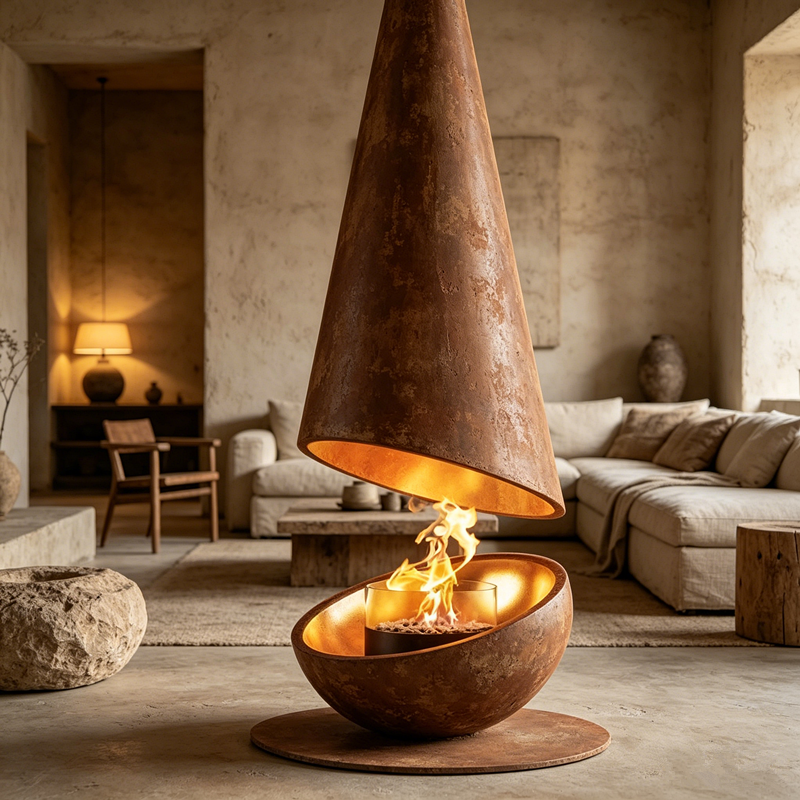
Ideal for living rooms, lofts, villas, specialty restaurants, cafés and homestays, widely used for interior soft furnishing and spot indoor heating.
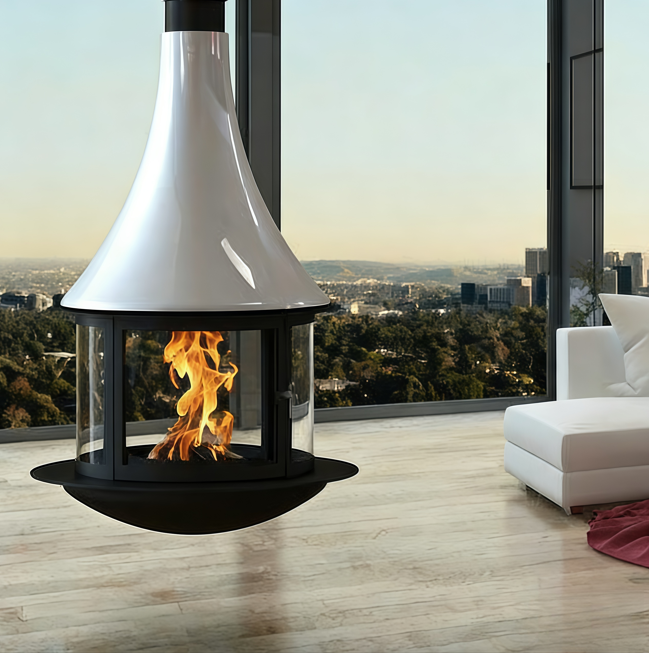
First, measure your available floor space accurately, including height, width, and depth clearance. Allow proper clearance around the unit according to manufacturer specifications for safe operation.
Second, decide which fuel type suits your needs. Electric models are plug-and-play with no venting required. Bioethanol models burn clean liquid fuel without smoke or fumes. Wood-burning models provide authentic heat and flames but require proper venting and more maintenance.
Third, assess your heating requirements. Calculate the room size in square feet and match it with the fireplace's BTU output or wattage rating to ensure adequate warmth.
Fourth, check your electrical system if purchasing an electric model. Ensure the outlet can handle the appliance's power consumption, typically 1500W to 3000W.
Safety certifications: Verify compliance with UL, CE, or RoHS standards to ensure safe operation.
Flame realism: Evaluate the quality of flame effects, including color, brightness, and movement.
Ease of installation: Confirm whether assembly is required and whether the unit comes with clear instructions and all necessary accessories.
Portability needs: Determine if you need to move the fireplace between rooms, as some models are lighter and easier to transport.
Maintenance requirements: Review cleaning procedures, filter replacement needs, and long-term upkeep.
Warranty coverage: Check the manufacturer's warranty period and what it covers.
Customer reviews: Read feedback from other buyers to understand real-world performance, reliability, and customer service quality.
Control options: Decide between basic manual controls, remote operation, app connectivity, or voice assistant compatibility.
Aesthetic style: Choose a design that complements your existing decor, such as modern, classic, or minimalist finishes.
Heat distribution: Consider models with fan-assisted heat circulation for better room coverage, especially in larger spaces.
Finally, compare prices across different brands and retailers, but prioritize quality and safety features over the lowest price. Verify return policies and after-sales support before finalizing your purchase.