1. Introduction: The Renaissance of the Kitchen Hearth
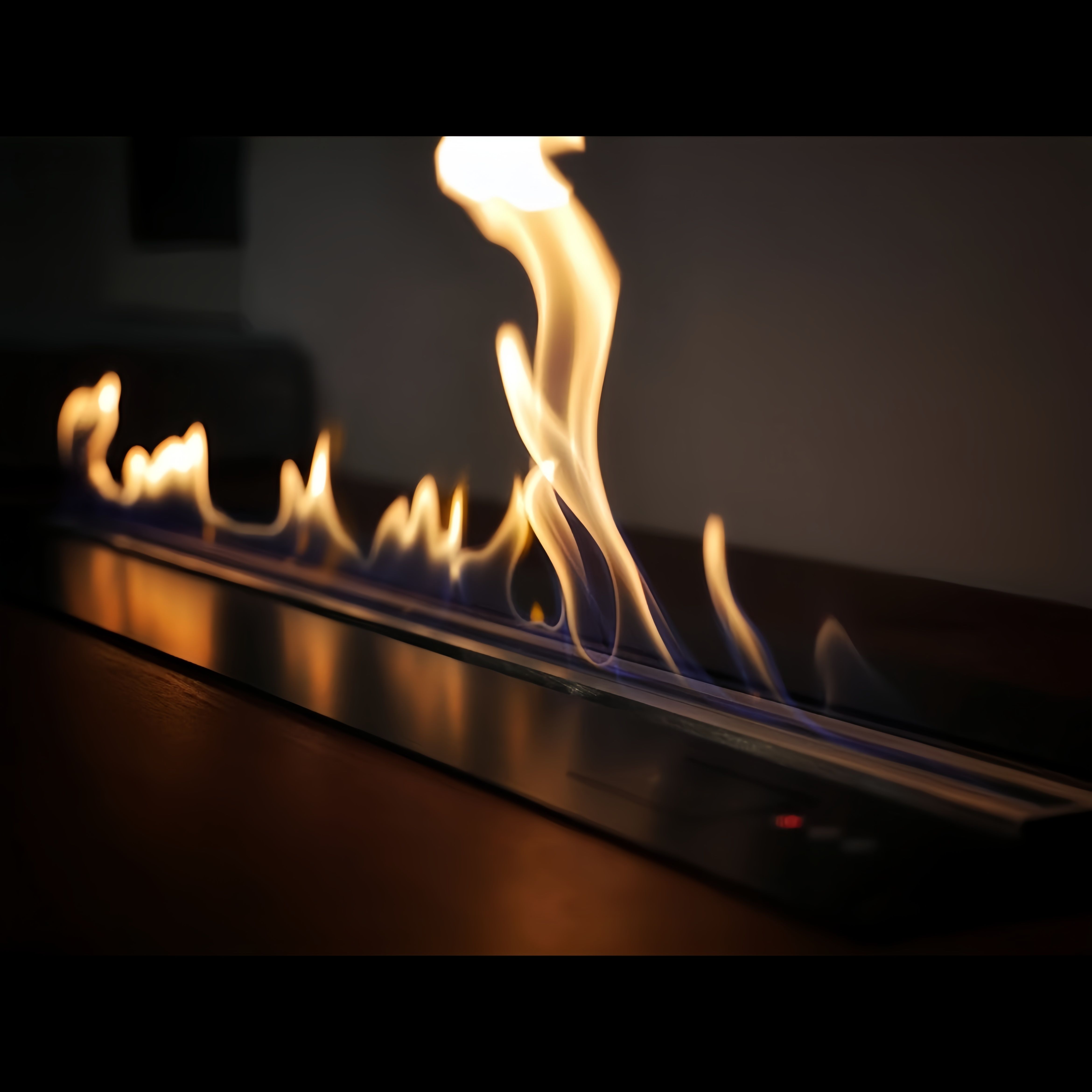
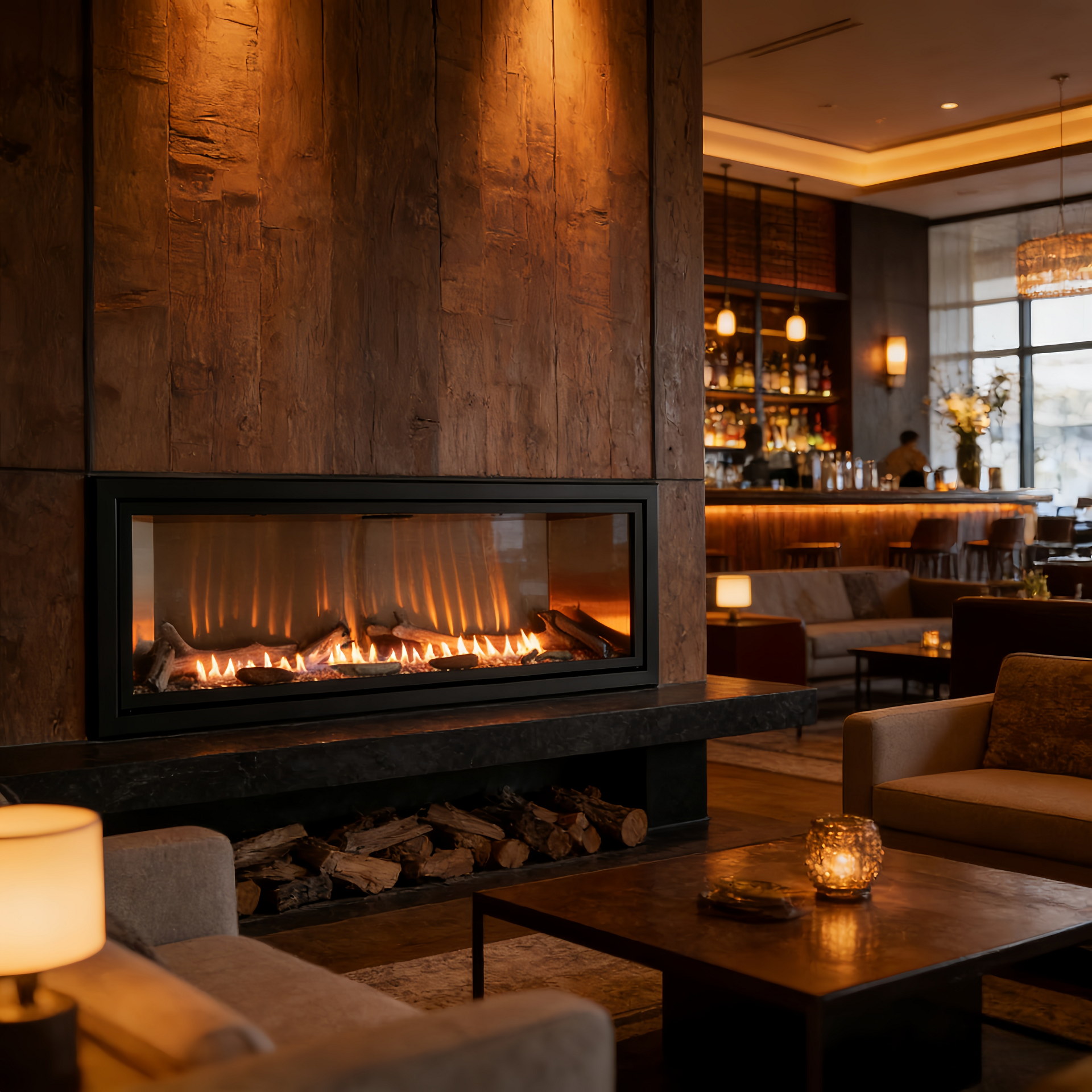
The kitchen has evolved far beyond a mere zone for meal preparation; it is the undisputed emotional and social anchor of the modern home. In premium interior design, integrating a Kitchen Fireplace represents the ultimate return to the traditional hearth—reimagined for contemporary luxury living.
By introducing the mesmerizing dance of flames into the culinary space, this design concept breaks the clinical coldness of stainless steel and stone countertops. It infuses the room with architectural depth, tactile warmth, and a high-end hospitality ambiance, transforming everyday cooking and dining into an experiential luxury.
2. Product Solutions & Technical Configurations
Implementing a fireplace in a high-traffic, moisture-heavy, and temperature-sensitive environment requires specialized product selections. We offer three tailored solutions for different layout demands:
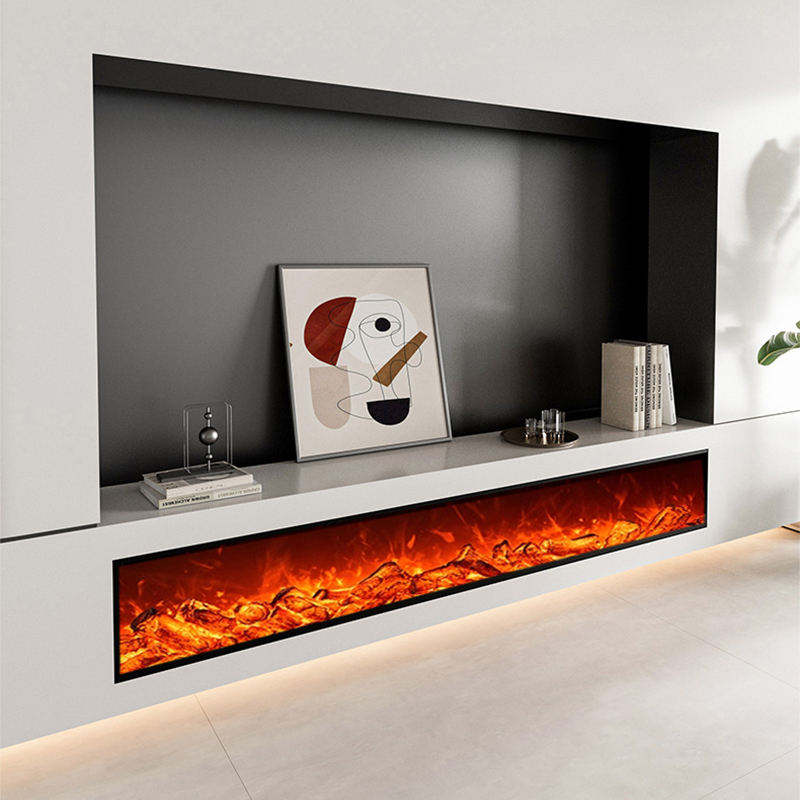
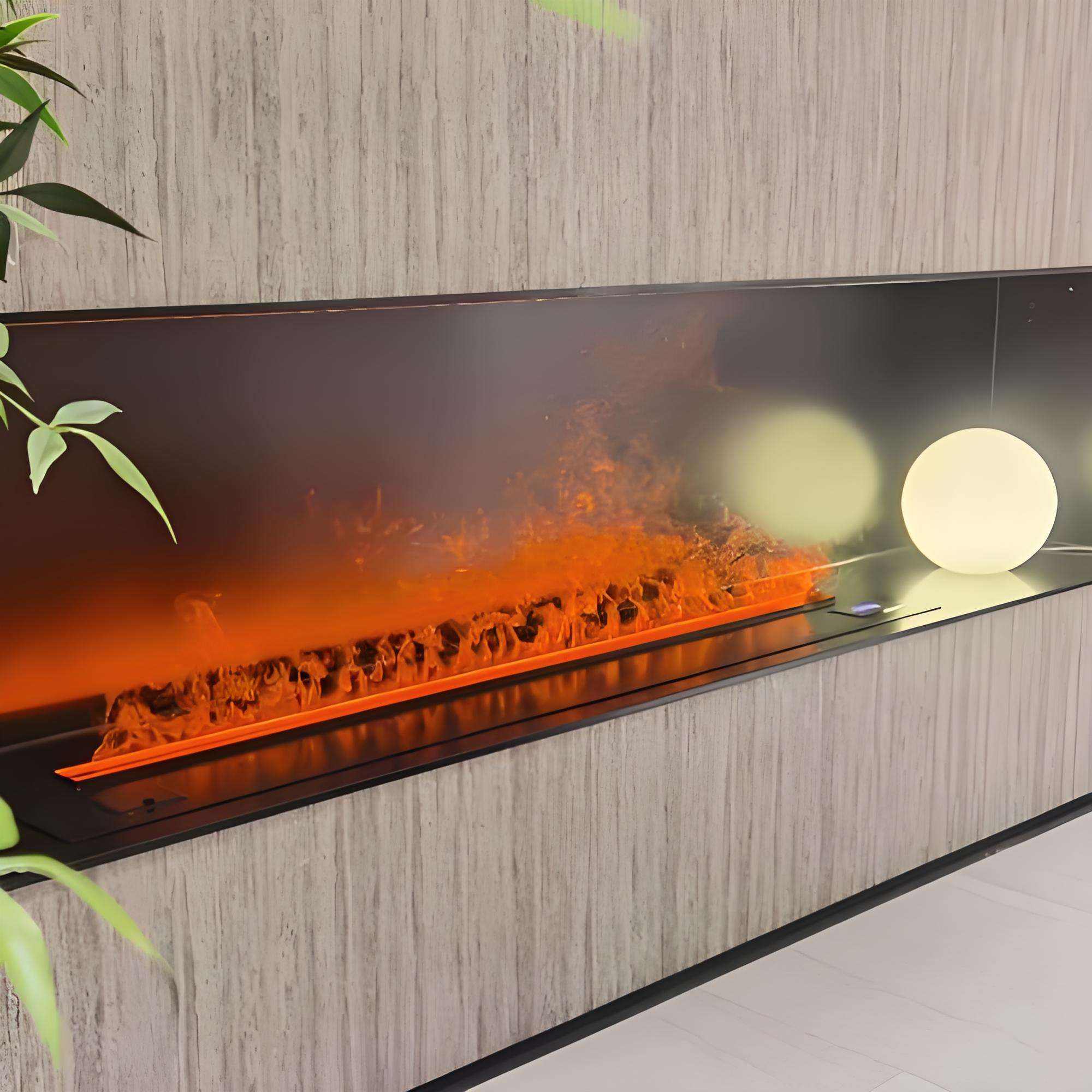
A. The Flush-Mount Countertop Insert (Linear Electric/Mist)
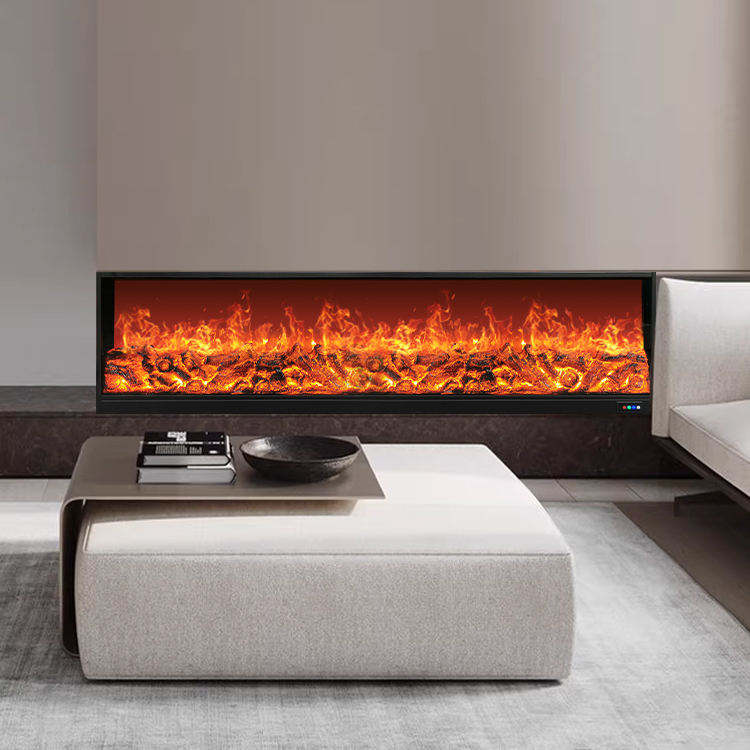
Configuration: Sleek, borderless linear units built directly into the kitchen island facade or the backsplash wall at eye level.
Best For: Modern, handle-less, minimalist kitchens.
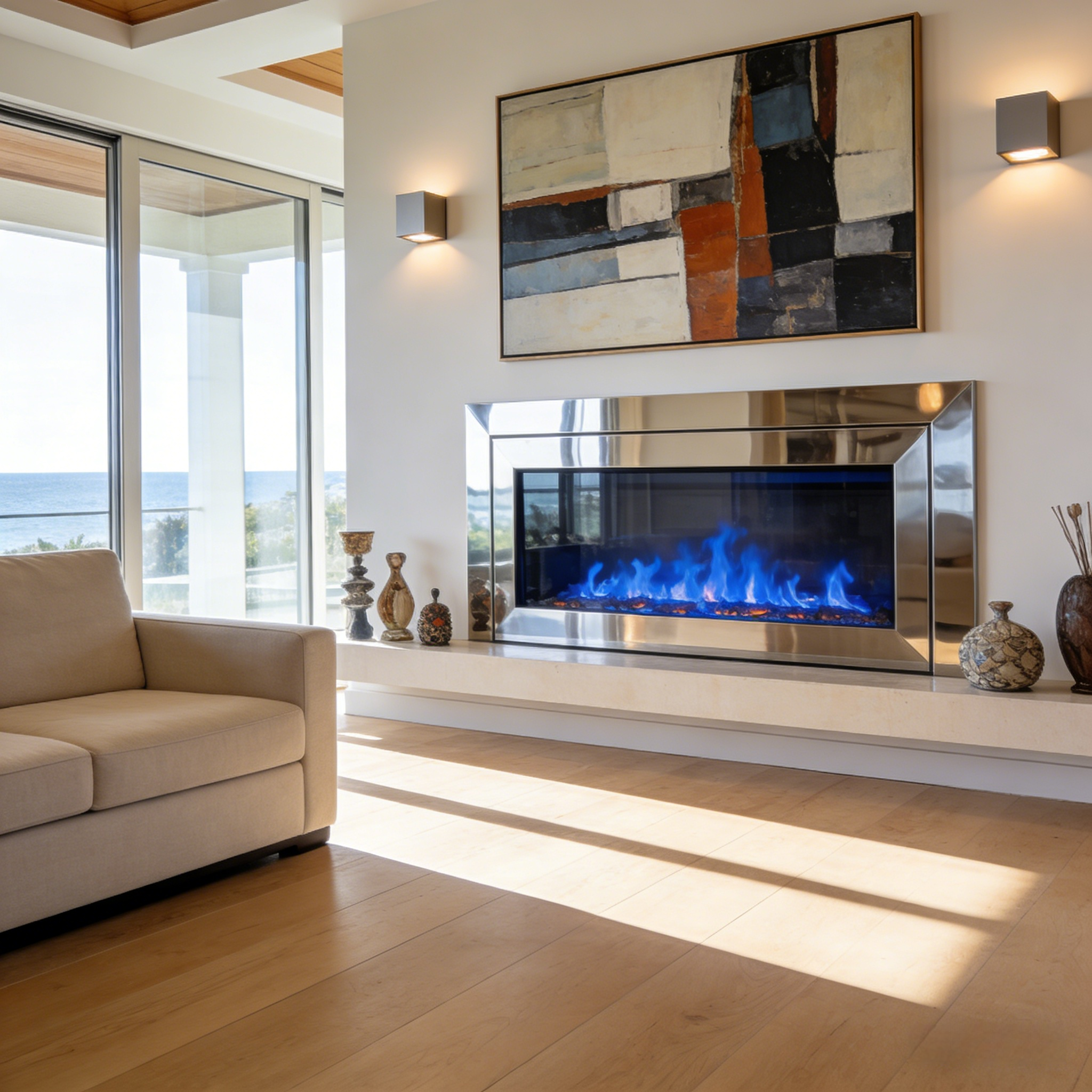
Technology: Utilizing 3D Water Vapor Mist or ultra-slim LED Electric Inserts. These provide the striking visual of real fire without emitting actual heat, ensuring zero interference with surrounding refrigeration or food prep zones.
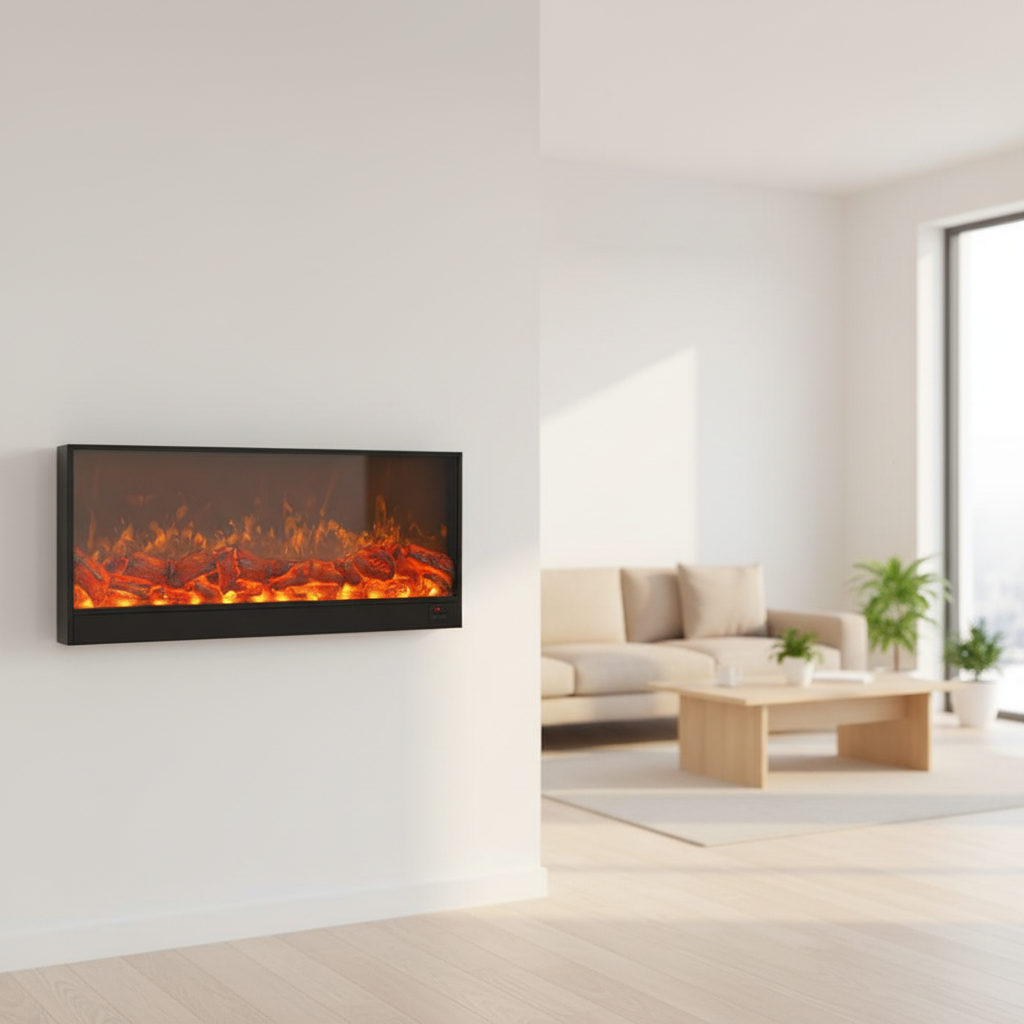
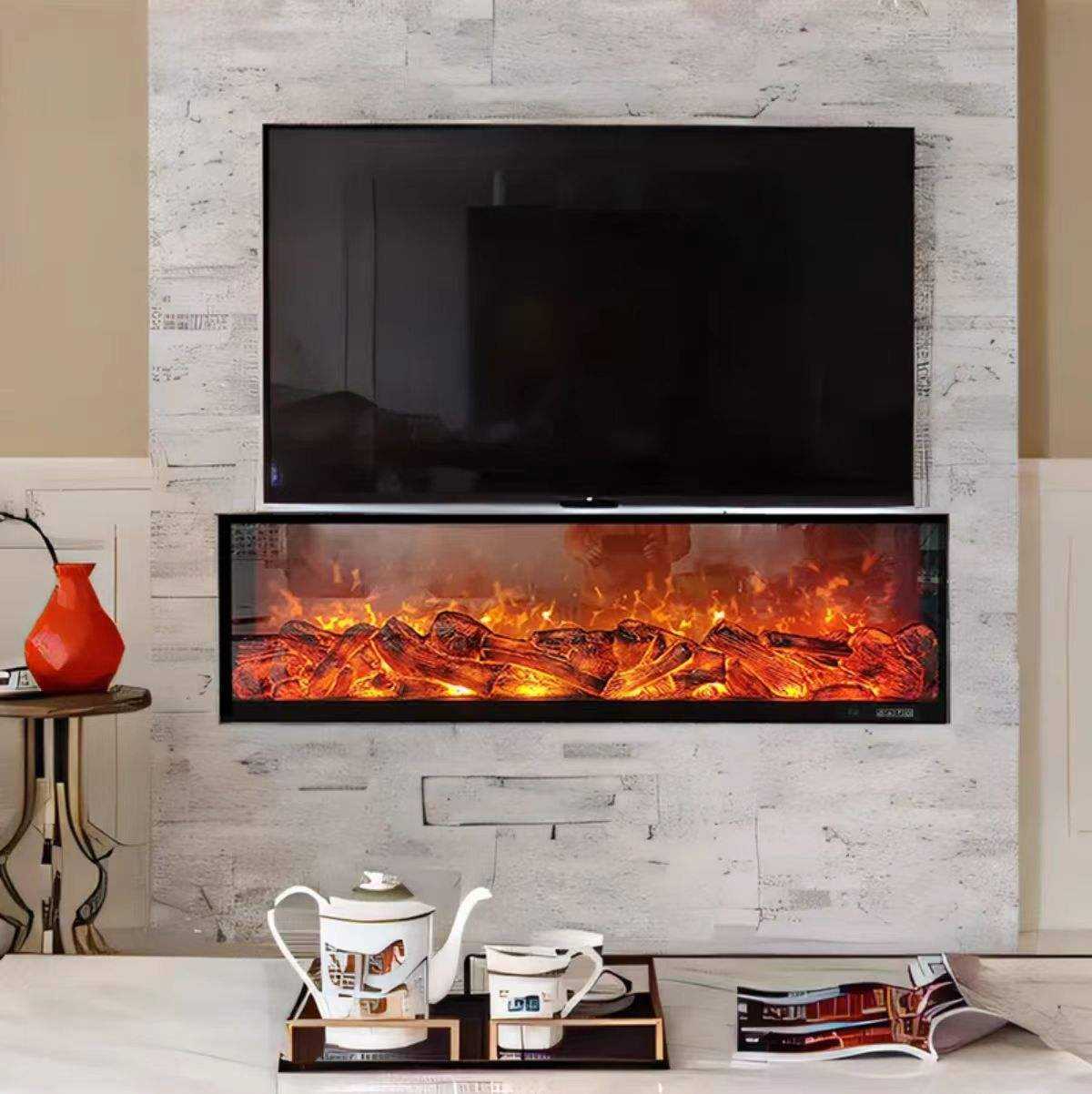
B. The Elevated Wall-Mounted Hearth (Gas or Electric)
Configuration: Positioned at chest height within a customized stone or plaster breast, typically visible from both the prep island and the adjacent dining nook.
Best For: Transitional, French Country, or Modern Farmhouse kitchens.
Technology: Ventless gas or front-venting electric inserts that add targeted supplemental zone heating during colder mornings.
C. The See-Through Room Divider (Dual-Sided Luxury)
Configuration: A double-sided fireplace built into a partial wall that separates the working kitchen from the formal dining or living area.
Best For: Open-concept floor plans.
Technology: Multi-sided smart electric or direct-vent gas units that maximize spatial flow and visual continuity.
3. Installation & Mechanical Integration
Kitchens are dense with plumbing, electrical lines, and ventilation systems. Successful installation requires precise engineering coordination:
Zero-Clearance & Cabinetry Shielding: When embedding a fireplace into custom wood cabinetry or beneath quartz/marble countertops, a zero-clearance firebox is mandatory. Double-layer thermal barriers prevent cabinet discoloration, adhesive degradation, or stone cracking from heat transfer.
Proximity to Appliances: Fireplaces must be strategically mapped away from refrigerators and wine coolers to prevent compromising appliance cooling efficiency. If placed near a cooking range, the finishes must be non-porous to withstand airborne grease.
Dedicated Utilities:
Electric/Mist Models: Require a dedicated 120V/240V (15-20 Amp) circuit tucked hidden within the cabinetry base.
Water Vapor Models: Require a direct line connection to a filtered water supply with an integrated auto-shutoff leak detector, or an easily accessible manual reservoir drawer hidden behind a matching cabinet panel.
4. Maintenance & Safety Guidelines
Maintaining pristine performance in a culinary environment requires strict adherence to specialized care protocols:
Grease and Film Management: Airborne cooking oils can deposit a fine film on the glass facade of the fireplace. The exterior glass must be cleaned weekly using a non-ammonia, anti-grease ceramic glass cleaner. Never clean the glass while the unit is hot.
Hard Water Mitigation (For Mist Fireplaces): To prevent mineral buildup and calcium scaling on the ultrasonic transducers of water vapor units, the use of distilled or reverse-osmosis filtered water is highly recommended. Transducers should be descaled seasonally.
Airflow Integrity: Ensure that the air intake vents located at the base or perimeter of the fireplace frame remain entirely clear of kitchen towels, floor rugs, or dust bunnies to prevent internal component overheating.
5. Industry Context & Market Trend Analysis
The kitchen fireplace is experiencing a massive surge in demand, driven by macro shifts in luxury real estate and consumer behavior:
The "Living Room-ification" of the Kitchen: High-net-worth homeowners are increasingly demanding that kitchens look and feel like high-end lounges. Designers are replacing upper cabinets with open shelving, art, and fireplaces to create a softer, more residential vibe.
Year-Round Ambiance Over Pure Heat: Traditional wood-burning kitchen hearths are declining due to strict urban emissions laws and high maintenance. In contrast, smart electric and water vapor fireplaces are dominating because they offer "flame-only" modes, allowing ambient use during mid-summer dinner parties without overheating the kitchen.
High ROI for Premium Developments: In luxury multi-family builds and custom spec homes, adding a fireplace to the kitchen serves as an immediate differentiator in marketing photography, substantially increasing emotional buyer attachment and perceived property value.
6. Ready to Design Your Dream Kitchen?
Imbue your culinary space with unmatched warmth, architectural character, and elite design appeal. Contact our engineering team today for architectural specifications, CAD files, and material compatibility consultations.